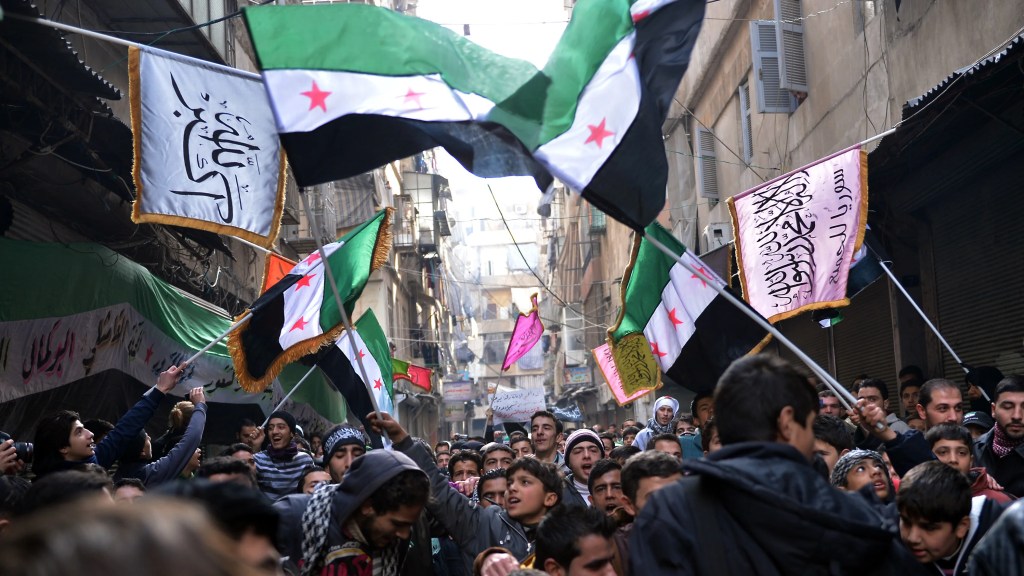
The recent lifting of some sanctions on Syria has been welcomed by many as a long-awaited relief after years of suffering. And understandably so, any easing of hardship for our brothers and sisters in Syria is something no sane Muslim would oppose.
But to make the entire discussion about this point is not only sensationalist, but deeply reductionist and plays right into the enemies agenda in steering people away from the real issues. It allows the enemies of Islam to shape our understanding, distracting us from the bigger picture: who is behind this move, why it’s happening now, and what it will cost the Ummah in the long run.
Who Lifts and Who Benefits?
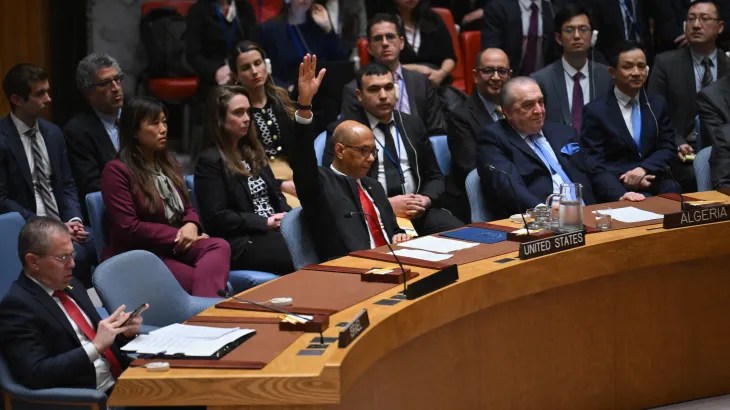
Let us be clear, the United States, is the same belligerent state that funds the slaughter of our children in Gaza today, and propped up Bashar al-Assad as he burned the children of Syria alive yesterday. Over the last century, it is the number one enemy of Islam and Muslims. This is a matter of ‘waqi (reality), not emotion. Any analysis that doesn’t start from this truth is flawed from the beginning.
And any Muslim leadership that cooperates with America, whilst compromising the tenants of Islam, is not acting in the interests of the Ummah.
“Had they believed in Allah, the Prophet, and what has been revealed to him, they would have never taken those ˹disbelievers˺ as allies. But most of them are rebellious.” Surah Al-Ma’idah (5:81)
These ṭawāghīt (tyrants) conspire day and night to suppress Islam, support Zionist occupation, and crush every genuine uprising that seeks to restore dignity and sovereignty to Muslim lands.
So, in this context we should know that:
- Sanctions are a tool of manipulation
Sanctions have never been about justice. They are a weapon used by America and its allies to punish those who defy them, and reward those who submit. So when sanctions are lifted, we must ask: what was the price? Because it’s never done out of iḥsān (benevolence). It’s done to bring Muslim countries further into line with Western interests.
And what does lifting the sanctions actually mean?
Immediate economic relief: International money transfers resume, goods become more available, and the cost of living may drop for now.
Trade opens up: Export-import restrictions on key materials like oil and construction equipment are lifted.
Multinationals return: Global corporations rush in to secure lucrative contracts, especially in energy sectors.
Debt traps reappear: Institutions like the International Monetary Fund and World Bank offer “reconstruction” loans, ribā (interest) based debt that enslaves entire populations.
So yes, the people of Syria may breathe a little easier in the short term. But we must ask, at what cost? Relief today could mean deeper dependence tomorrow. And not just economic dependence, but ideological surrender.
- Sanctions are never lifted out of concern for the Muslims of Syria
It must be firmly understood that those who for years watched the indiscriminate bombing of Syrian homes, hospitals, and masājid with cold indifference, cannot now claim a sudden humanitarian awakening. The Qur’an teaches us the true nature of the disbelieving powers and their intentions:
“They wish you would compromise so they would yield ˹to you˺.”
Surah Al-Qalam (68:9)
This call to mutual compromise, reveals the deceptive logic of our enemies. They do not seek our welfare; they seek our submission. Any “relief” offered is conditional, transactional, and ultimately self-serving. Whether through lifting sanctions, offering reconstruction aid, or promoting “stability,” the end goal remains the same: to secure political control, suppress Islamic revival, and integrate Muslim societies into the global order on terms dictated by ṭāghūt (false gods, idols, or anything “worshiped” besides God, i.e., ideologies such as capitalism).
So while the material hardship may ease for some, the spiritual and political price is immense. And if we misread these actions as acts of benevolence, we risk falling into the trap of legitimising the very forces that have caused our suffering. Mercy is from Allah (Ar-Raḥmān), not from those who have waged war on Islam with bombs and economic shackles.
The Real Cost: Our Deen
This is where the real danger lies. With the lifting of sanctions comes an expectation of political and ideological “normalisation” with the Western world. That means:
📌 Secularising public life – removing Islam from public life – political, economic, societal, domestic and foreign affairs. A new constitution may appear different, but if it excludes Sharī‘ah, it’s just Assad 2.0.
📌 Protecting the Zionist entity – continuing the old regime’s betrayal of Palestine by policing the borders of al-Quds, and even entertaining “peace deals.”
📌 Crushing so-called extremism – which really means arresting du‘āt (callers to Islam), silencing voices for Khilāfah, and eliminating any meaningful Islamic political expression.
What is happening is not just the reopening of markets, it is the closing of doors to any Islamic future. It is the rebranding of occupation and dictatorship with a softer face, one approved by the West.
We may see smiles on the streets of Syria. People celebrating the chance to live more normal lives. And who can blame them? After more than a decade of war, any improvement feels like hope.
But as Muslims, we must look beyond appearances. Joy in this case is being channelled, not from the people’s power, but from those who have long manipulated them. The masters of deception are shaping public sentiment to accept the unacceptable. This is how colonisers work, not only through bombs and sanctions, but through hearts and minds.
How did the Prophet Muḥammad ﷺ deal with ‘sanctions’ and boycotts?
This isn’t the first time Muslims have been punished with ‘sanctions’. The Prophet Muḥammad ﷺ himself went through something very similar. When the leaders of Quraysh saw that Islam was growing, they forced a harsh boycott on the Prophet ﷺ, his family, and his followers. They were pushed into a valley called Shi‘b Abī Ṭālib and cut off from trade, food, and support. For three years, they suffered severe hunger, some of the companions even ate leaves just to survive.
But even in that time of pain, the Prophet ﷺ didn’t change the message of Islam to please the Quraysh, and he didn’t accept any offers to make peace by giving up parts of the truth. He stayed firm, trusted Allah, and kept calling people to Tawḥīd (the Oneness of Allah).
This teaches us a powerful lesson: relief that comes through giving up our principles is not real relief. Today, when sanctions on Syria are lifted, we have to ask: is it because the Muslim leadership stood strong like the Prophet ﷺ did? Or is it because they gave in; accepting secular laws, protecting the Zionists, and removing Islam from public life?
His Sīrah (biography) is not just history, it is the blueprint for our liberation as an Ummah.
The Way Forward
So, we conclude by saying that two things can be true at once. Yes, we are happy for the ‘relief’ of our brothers and sisters in Syria, but focusing solely on this emotional aspect lays right into the enemies agenda in steering people away from the real issues . We cannot cheer moves that further entrench secularism, foreign control, and economic slavery.
True relief cannot come through submission. Real liberation will only come through a return to Tawḥīd, through sincere leadership that implements Sharī‘ah, stands with the oppressed, and rejects every form of compromise with ṭāghūt. This is why we must work to re-establish Islam as a complete way of life, politically, socially, and economically, through the revival of the Khilāfah upon the method of Prophethood, which alone can unite the Ummah and implement the rule of Allah on earth.
Until then, every political move, including the lifting of sanctions, must be examined not only for what it brings, but for what it demands us to give up. And, is giving up the Haq, a victory?

 Deen and Discourse
Leave a comment