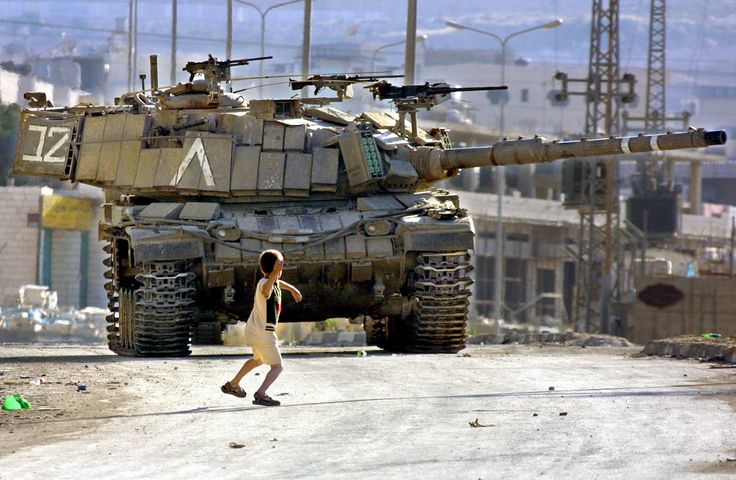
The Ummah today, bleeds not only from bombs and blockades, but from a deafening silence. A silence that echoes in the face of open transgression, live streamed for the world to see. Among the greatest responsibilities placed on the shoulders of the Muslim Ummah, however, is the command to enjoin good (al-ma‘ruf) and forbid evil (al-munkar).
Allah ﷻ declares:
كُنتُمْ خَيْرَ أُمَّةٍ أُخْرِجَتْ لِلنَّاسِ تَأْمُرُونَ بِٱلْمَعْرُوفِ وَتَنْهَوْنَ عَنِ ٱلْمُنكَرِ وَتُؤْمِنُونَ بِٱللَّهِ
“You are the best community ever raised for humanity – you encourage good, forbid evil, and believe in Allah.” [Surah Al Imran 3:110]
You will note that the condition of being the “best nation” rests on three qualities, not one. And today, many Muslims certainly believe in Allah, and have professed La ilaha illa Allah (the declaration of faith), yet withdraw from the duty of enjoining good (al-ma‘ruf) and forbidding evil (al-munkar). They retreat into a privatised Islam by either remaining silent, passive, and afraid to disturb their comfort or by reducing the call to enjoin good and forbid evil to du’as, without action. As a result the Ummah suffocates, and it is brutalised in Gaza, Kashmir, East Turkestan, Sudan, and beyond. It is not only the body (i.e., the land) of the Ummah that has been occupied, but the will.
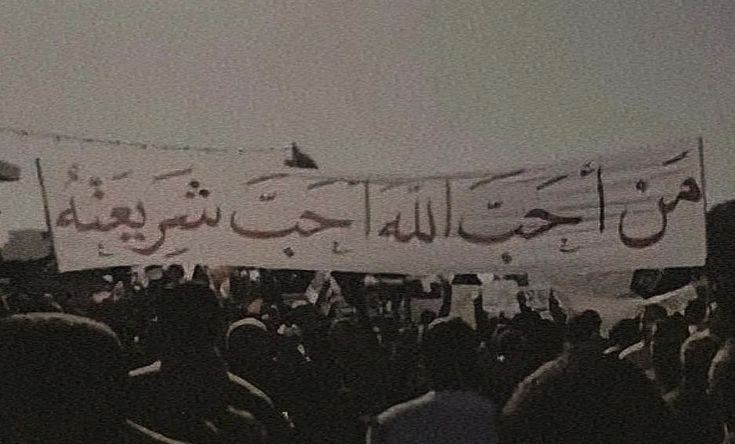
However, it is not enough to pray in private and claim belief. The Prophet ﷺ said:
من رأى منكم منكرا فليغيره بيده، فإن لم يستطع فبلسانه، فإن لم يستطع فبقلبه، وذلك أضعف الإيمان
“Whoever among you sees an evil, let him change it with his hand. If he cannot, then with his tongue. If he cannot, then with his heart — and that is the weakest of faith.” [Sahih Muslim, 49]
This hadith exposes the myth of the “silent believer.” It tells us that mere internal disapproval is the bare minimum of Iman (faith), the weakest flicker of faith. The believer does not have the luxury of mere moral observation, he is tasked with intervention.
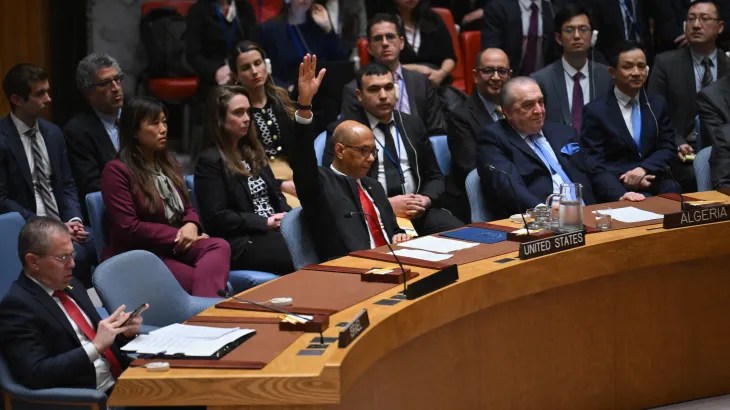
The conditions of Gaza therefore are not sustained by the bombs alone, but by the silence of Muslim leaders who normalised relations with tyrants, by the traders who continued economic ties with the occupiers, by media outlets that sterilised the narrative, and by those who viewed the genocide through already-biased algorithms, unwilling to break from their comfort long enough to organise, confront, or resist.
Allah ﷻ warns us with the example of previous nations who abandoned the obligation to enjoin good and forbid evil. Allah ﷻ says:
لُعِنَ ٱلَّذِينَ كَفَرُوا۟ مِنۢ بَنِىٓ إِسْرَٰٓءِيلَ عَلَىٰ لِسَانِ دَاوُۥدَ وَعِيسَى ٱبْنِ مَرْيَمَ ۚ ذَٰلِكَ بِمَا عَصَوا۟ وَّكَانُوا۟ يَعْتَدُونَ كَانُوا۟ لَا يَتَنَاهَوْنَ عَن مُّنكَرٍۢ فَعَلُوهُ ۚ لَبِئْسَ مَا كَانُوا۟ يَفْعَلُونَ
“Those among the Children of Israel who disbelieved were cursed by the tongue of David and Jesus, son of Mary. That was because they disobeyed and transgressed. They would not forbid one another from the evil they committed. Evil indeed was what they used to do.” [Surah Al-Ma’idah 5:78–79]
So today, when children are slaughtered, when entire families are erased from existence, when Muslim lands are desecrated and the response is hashtags and du’as without action, we must ask: Where is the Ummah that forbids evil with its hand?
As we have discussed in my previous blogs, the Prophet ﷺ’s biography has the blueprint for the situations the Ummah finds itself in today. So, when we look at his ﷺ’s life, we note that in the face of ridicule, boycott, and violence, he ﷺ never diluted the message for comfort, and he ﷺ did not refrain from enjoining good and forbidding evil, even in the harshest of conditions. He was offered kingship and rejected it. He was offered wealth and dismissed it. He was offered security and walked away. This was the Sunnah: to enjoin the good and forbid the evil in a holistic manner, with his hands, his tongue and his heart.
And while we may not be in a position to lead armies or to liberate occupied lands with forces under our own command we are not excused from the struggle of enjoining good and forbidding evil altogether. The Prophet ﷺ said:
أَفْضَلُ الْجِهَادِ كَلِمَةُ عَدْلٍ عِنْدَ سُلْطَانٍ جَائِرٍ
“The best fighting (jihad) in the path of Allah is (to speak) a word of justice to an oppressive ruler.”[Sunan Abu Dawud, 4344]
This is the jihad accessible, at the bare minimum, to all the scholars on the minbar, to writers, to students, to every Muslim with a tongue and a conscience. Call upon the armies, put pressure on the rulers and dismantle their narratives of falsehood. That is the very least you can do, because otherwise the oppressed will speak before Allah and say: “They watched. They prayed. But they did not act.”
And the Messenger of Allah ﷺ warned us:
“Beware the du‘a of the oppressed, for there is no barrier between it and Allah.” [Bukhari; Muslim]
And Allah ﷻ will certainly ask us about the du‘a of the orphan, the scream of the mother, the blood on the rubble, and the silence and inaction that followed.
The Prophet ﷺ emphasised in the clearest terms:
وَالَّذِي نَفْسِي بِيَدِهِ لَتَأْمُرُنَّ بِالْمَعْرُوفِ وَلَتَنْهَوُنَّ عَنِ الْمُنْكَرِ أَوْ لَيُوشِكَنَّ اللَّهُ أَنْ يَبْعَثَ عَلَيْكُمْ عِقَابًا مِنْهُ ثُمَّ تَدْعُونَهُ فَلاَ يُسْتَجَابُ لَكُمْ
“By the One in Whose Hand is my soul! Either you command good and forbid evil, or Allah will soon send upon you a punishment from Him, then you will call upon Him, but He will not respond to you.” [Tirmidhi 2169]
And so, it can be concluded without hesitation that enjoining good and forbidding evil is fard (obligation) upon the Ummah, and no Islamic revival, no restoration of Islamic governance, no liberation of the oppressed can occur while this duty is neglected. It is through enjoining good and forbidding evil that the Muslims expose corruption, hold rulers to account, resist normalisation with oppressors, and demand justice. Until this becomes our collective ethic, the Ummah will not rise.
May Allah awaken us before we are replaced, and make us not just believers in Islam, but carriers of it, defenders of it, and living proofs of its justice.
آمِين يا رب العالمين

 Deen and Discourse
Leave a comment